【2026】Taiwan Gin Recommendations: 5 Featured Taiwanese Craft Gins + 5 International Classics, Made Easy to Choose
【2026】Taiwan Gin Recommendations: 5 Featured Taiwanese Craft Gins + 5 International Classics, Made Easy to Choose
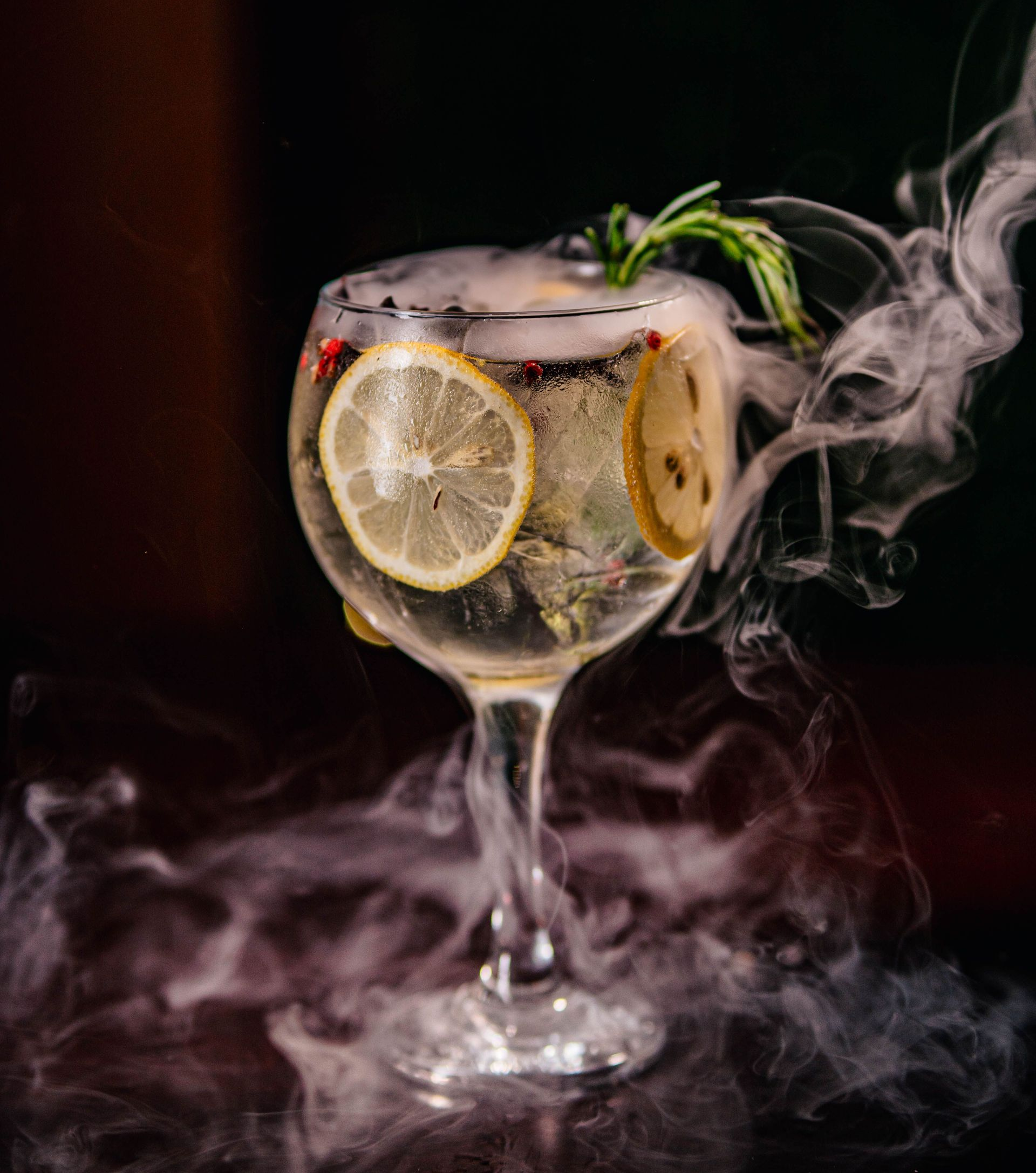
The refreshing crispness of a Gin & Tonic stems from the layered botanicals built upon juniper berries. In recent years, Taiwanese craft gin has not only blossomed across local bars but has also clinched major awards in international competitions. The Gin Festival Taipei, held in late October 2025 at Huashan 1914 Creative Park, attracted over 4,000 gin enthusiasts and bartenders from Japan, South Korea, and across Taiwan. Native Taiwanese ingredients like Makauy (mountain pepper), prickly ash (Tana), kumquat, and tea leaves are actively rewriting the flavor map of world gin.
This article provides a quick guide on what gin is, how to choose a great bottle of gin, a curated list of 5 featured Taiwanese gin recommendations and 5 international classic gins, plus recipe guides for 7 classic gin cocktails.
If you want to jump straight to the gin recommendation list, feel free to use the Table of Contents to skip to Section 4.
Table of Contents
1. What Is Gin? How Is It Different from Vodka and Whisky?
2. How to Pick a Good Gin? Master These 3 Key Factors
3. Why Is Taiwanese Gin Gaining Worldwide Popularity?
4. 5 Featured Taiwanese Gin Recommendations
5. 5 International Classic Gin Recommendations
6. 7 Classic Gin Cocktail Recipes
7. Frequently Asked Questions (FAQ)
What Is Gin? How Is It Different from Vodka and Whisky?
Gin is a distilled spirit crafted from a base of neutral spirit, re-distilled or infused with juniper berries and other botanicals. While juniper berries serve as the primary flavor anchor, the virtually limitless choices of added botanicals make gin one of the finest spirits for expressing local terroir—which is precisely how Taiwanese gin forged its distinct identity, as we will discuss in detail later.
In simple terms:
- Vodka pursues pure, flavorless neutrality.
- Whisky derives its core character from oak barrel aging.
- Gin owes its soul directly to botanicals.
Fun Trivia: The country with the highest gin consumption in the world isn't the UK, but the
Philippines, which consumes nearly half of the world's total gin sales every year.
How to Pick a Good Gin? Master These 3 Key Factors
"With so many gin recommendations out there, how do you actually judge if a bottle is good?" Instead of memorizing brand names, understanding the three key factors that determine flavor will empower you to choose the right bottle yourself when standing in front of a liquor shelf.
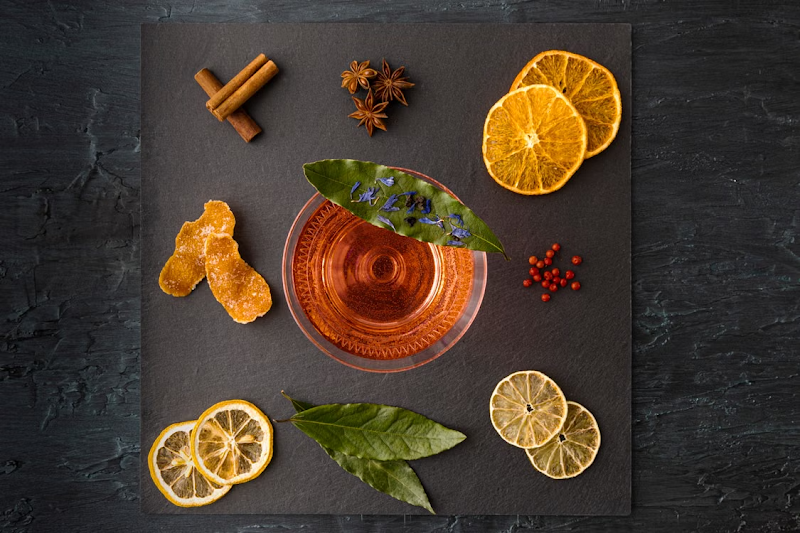
1. Botanicals : The Source of Character
Juniper is the hero, but supporting botanicals define the style.
- London Dry Gin (Traditional Style): Commonly uses coriander seeds, angelica root, and citrus peels to build its backbone.
- Contemporary Craft Gin: Incorporates local ingredients to create distinction—ranging from rose, cucumber, and tea leaves to fresh cilantro.
When choosing, ask yourself about your taste preference: Do you prefer a traditional style with prominent juniper notes, or a contemporary style with floral, fruity, and tea aromas? The value of craft gin lies precisely in using ingredients others cannot access to create flavors others cannot replicate.
2. Base Spirit: The Foundation of Mouthfeel
Most gins use grain neutral spirits, but the choice of raw materials subtly shapes the texture and mouthfeel:
- Rice-based: Typically rounder with a sweet, lingering finish.
- Malt-based: Delivers a rich, heavy grain backbone.
- Fruit-distilled base: Expresses natural fruity notes.
Many Taiwanese distilleries deliberately innovate here, using rice spirit, sweet potato spirit, or apple brandy bases—a major key to Taiwan gin's high flavor recognition.
3. Distillation Process: Single-Batch or Individual Distillation?
- One-pot method: The most common approach, where all botanicals are steeped and distilled together.
- Separate distillation: High-end distilleries distill botanicals individually before blending, or use Vapor Infusion to extract delicate aromas. Though more costly, it yields sharper and more precise aromatic profiles.
A quick tip for selecting gin: If the bottle label or official website specifies the distillation details, it usually indicates that the distillery has confidence in its flavor control—definitely something to look out for.
Why Is Taiwanese Gin Gaining Worldwide Popularity?
While Japan currently leads Asian gin market trends, Taiwan's performance is equally impressive. The Gin Festival Taipei held at Huashan brought together over 4,000 gin fans and bartenders from Japan, South Korea, and all over Taiwan.
Taiwanese Botanicals Are an Uncopyable Recipe
Gin relies on botanicals, and Taiwan’s native botanical pantry is virtually bottomless: indigenous spices like Makauy and prickly ash, iconic fruits like kumquat and red guava, temple-side osmanthus and ginger lily, and even cilantro, daylily, and Formosan red pine needles. These materials cannot be sourced by major international brands, nor are they understood as deeply as locals do—forming a natural moat for Taiwanese gin.
Tea-Infused Gin: Taiwan’s Signature Route
Infusing Dong Ding Oolong, Baozhong Tea, and Ruby Black Tea (TTES No. 18) into gin is Taiwan's most recognizable craft signature. Tea tannins and roasted aromas add a lingering finish to gin. This flavor vocabulary is exceptionally rare in international markets, making "Taiwan Tea Gin" virtually synonymous with Taiwanese gin.
Endorsement from International Awards
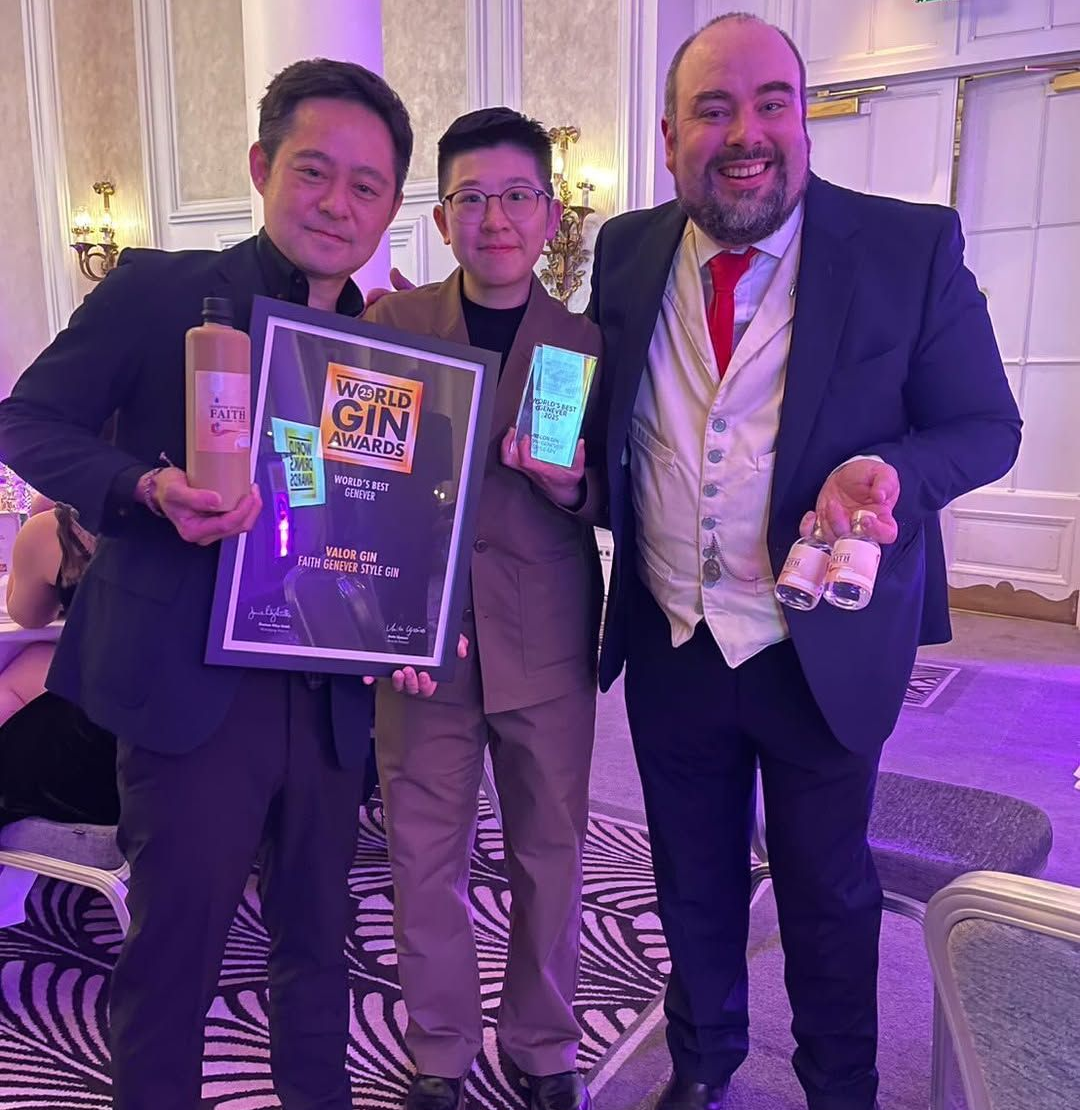
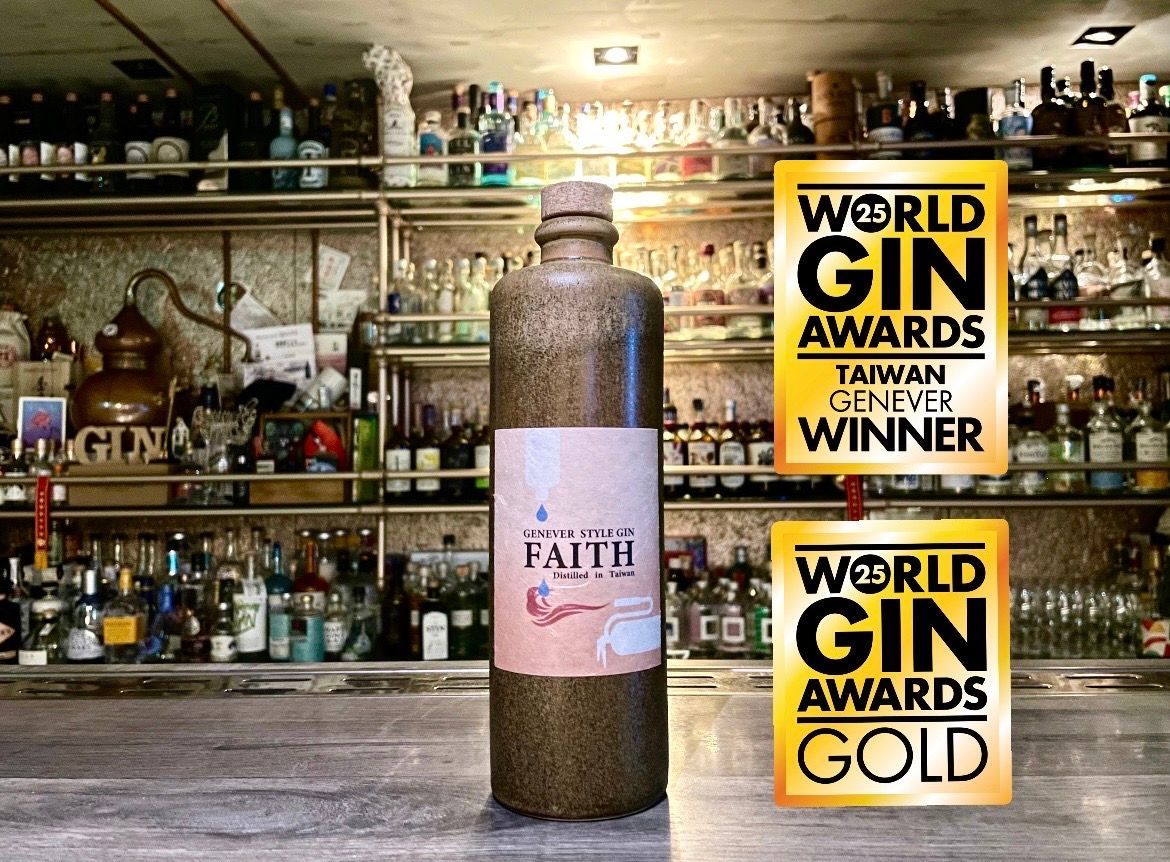
In June 2025, FAITH #1 Genever Style Gin—a collaboration between Holy Distillery, Sunmai, and Soul & Spirits—won the top award for "World's Best Genever Style Gin" at the World Drinks Awards in London, with judges publicly praising the overall caliber of recent Taiwanese gins.
From international spirits expos to world-class awards, Taiwanese gin is no longer just a niche local novelty—it is a world-recognized flavor region.
5 Featured Taiwanese Gin Recommendations
The following 5 bottles are currently available on the market. Each offers distinct characteristics, complete with botanicals, ABV, flavor profiles, and serving suggestions to help you choose according to your preference.
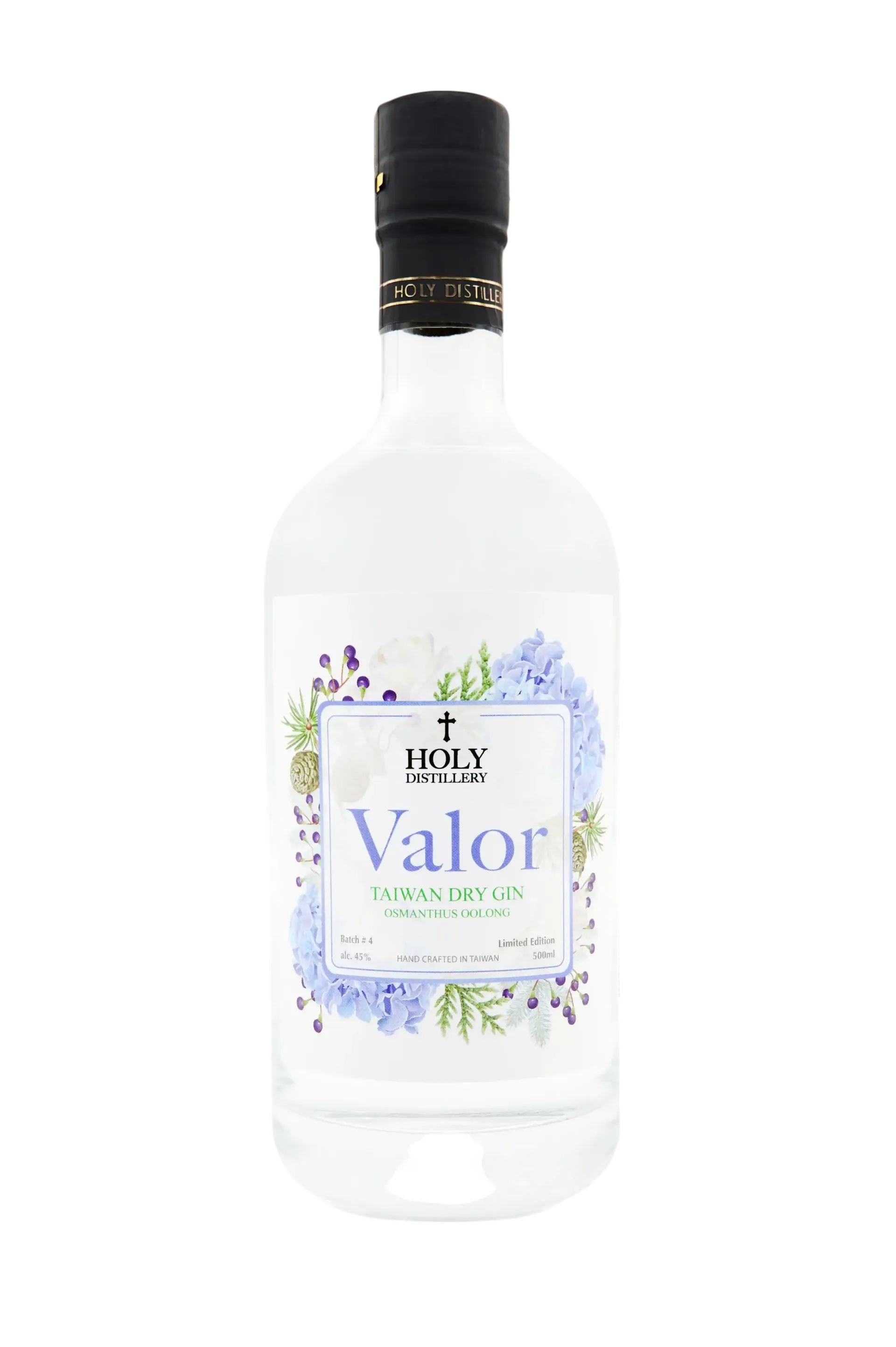
1. Valor Gin Osmanthus Oolong | Holy Distillery
- Botanicals: Juniper berries, Lugu Dong Ding Oolong tea, Miaoli Tongluo osmanthus, citrus, cinnamon.
- Base Spirit: House-distilled rice spirit.
- Flavor Profile: Juniper woven with tropical citrus, a long finish, and a soft closure of tea and osmanthus notes.
- Serving Suggestion: Neat or Gin & Tonic.
Read More
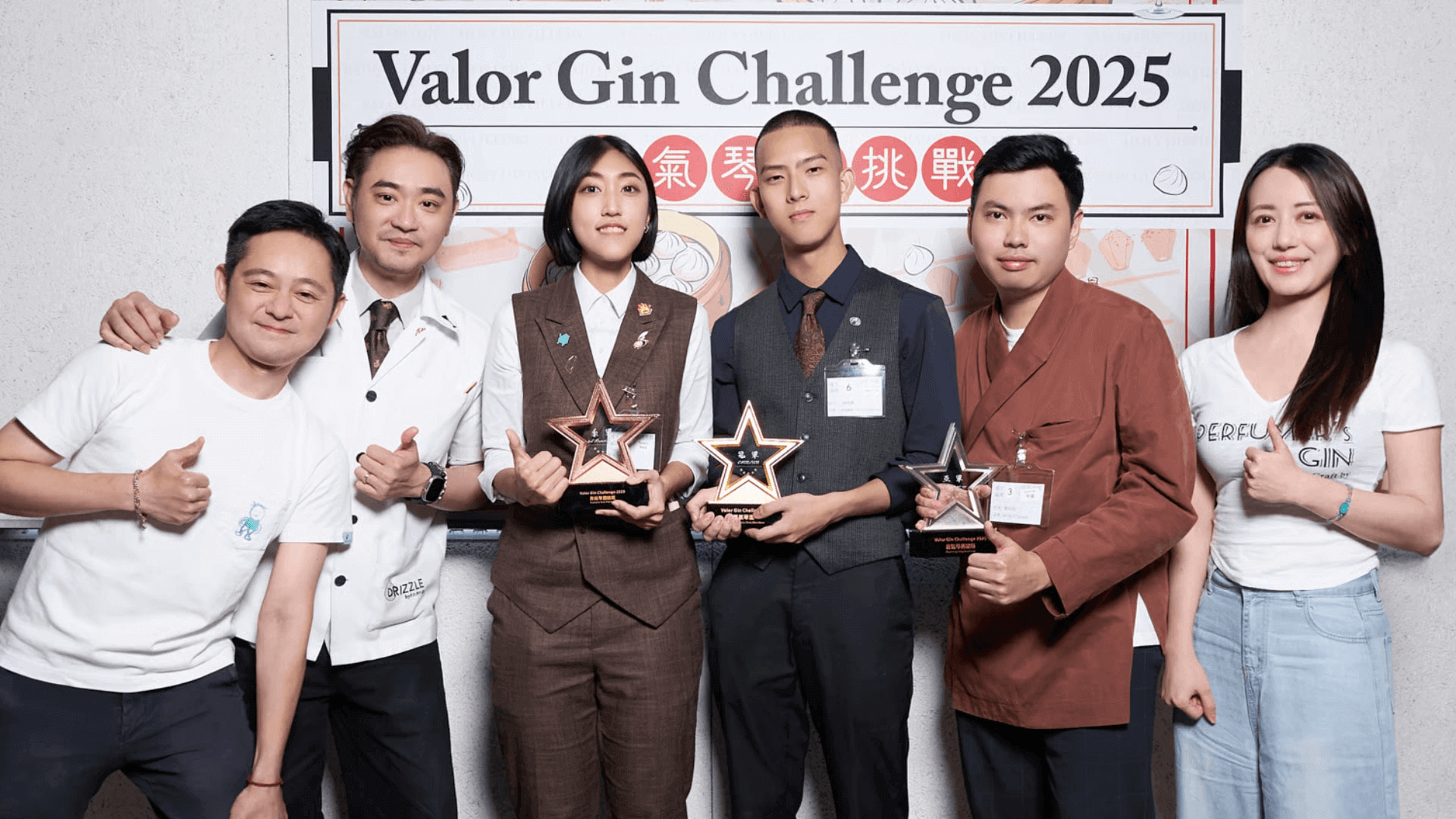
The story of Taiwanese gin is inseparable from Holy Distillery and "Valor Gin." Valor Gin is a local Taiwanese craft gin co-developed and released by Holy Distillery and SOSO, the owner of the well-known Taiwanese bar Sidebar. It was named "Valor" because juniper spirits were historically known as "Dutch Courage."
Beyond the origin of its name, the craftsmanship of this gin is exceptionally meticulous: juniper berries are first soaked in a rice-based Dongding Oolong tea spirit before distillation. Other ingredients—such as osmanthus, citrus, and cinnamon leaves—are all locally sourced in Taiwan and processed individually. The delicacy of osmanthus balances beautifully with the depth of the tea notes, making it the most classic starting point for exploring "Taiwanese-style gin."
From the same distillery, there is also the Taiwanese Gin Trilogy themed around the mountains, sea, and plains. Among them, "Sea" incorporates Matsu mussel shells and algae; its savory, oceanic profile stands out as truly unique and is perfect for advanced enthusiasts to challenge.
3. Nong Gin (Apple & Formosan Red Pine) | Nong Distillery
- Botanicals: Fresh Formosan Red Pine needles, highland lavender, juniper berries.
- Base Spirit: Taiwanese highland apple brandy
- Flavor Profile: Fresh woody opening, distinct pine essential oil notes, blended with apple fruitiness and a light floral finish.
- Serving Suggestion: Gin & Tonic.
Read More
Nong Gin is a creation born out of a collaboration between Nong Distilling and the Taichung Branch of the Forestry and Nature Conservation Agency under the Ministry of Agriculture, taking the promotion of domestic timber as an opportunity. Taiwan Red Pine (Pinus taiwanensis) is widely distributed in mountainous areas at altitudes of 750 to 3,000 meters. Its fresh pine needles carry a soothing, essential-oil-like aroma; paired with an apple distillate base, a single sip offers a refreshing taste of Taiwan's high-mountain air.
The master distiller at Nong Distilling once studied sake brewing in Japan, so early creations mostly used rice distillate as a base and have already won awards in international competitions. It is one of the most noteworthy emerging distilleries in Taiwan in recent years.
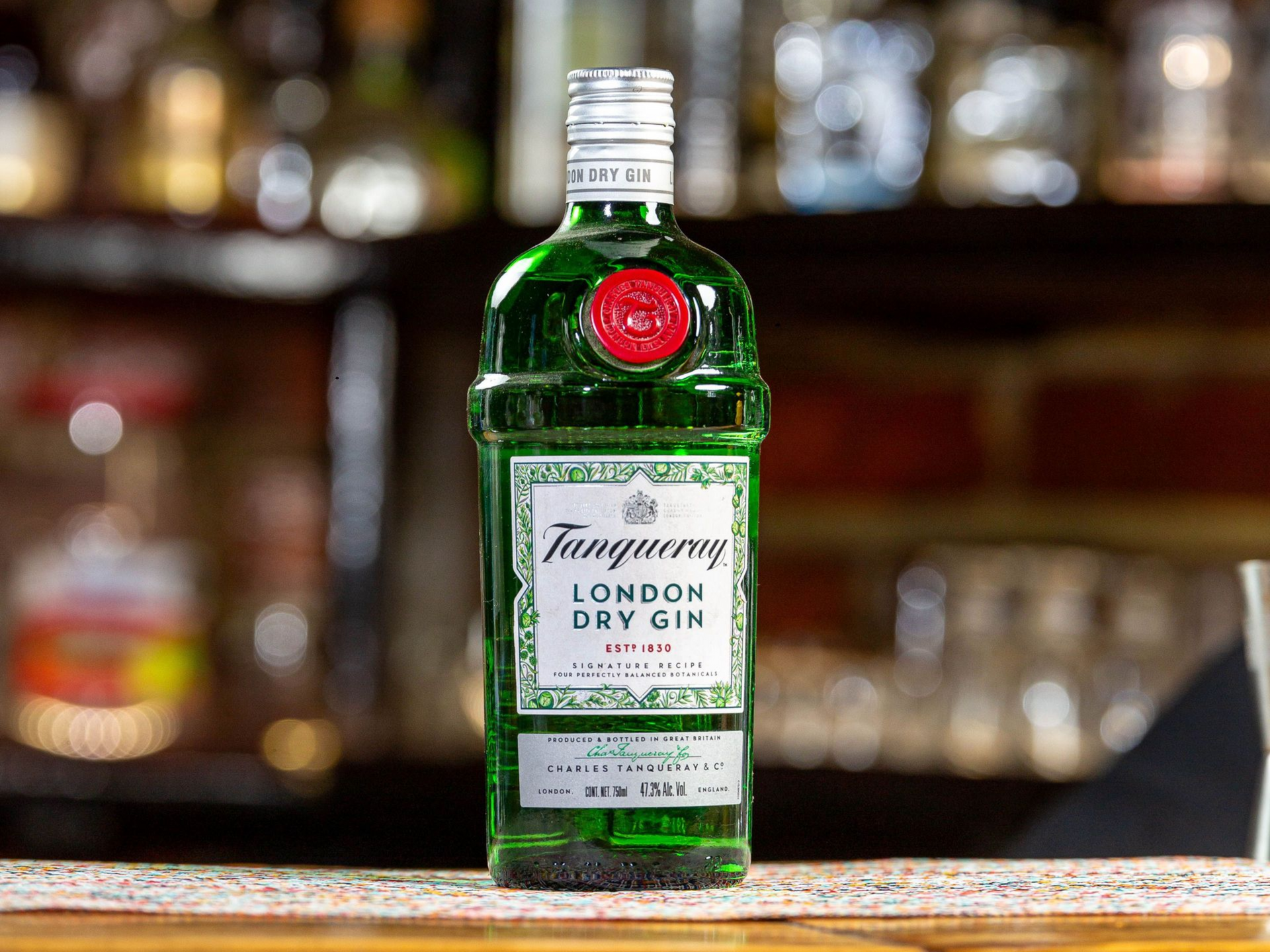
1. Tanqueray
After gin spread from Holland to the UK, improved distillation techniques produced "London Dry Gin," which requires no added sugar and offers a clean, dry taste. Tanqueray is a textbook example and a long-time sales champion in top global bars. Its sharp, crisp juniper profile makes it versatile for cocktails. For brighter citrus notes, opt for Tanqueray No. TEN made with fresh citrus fruits.
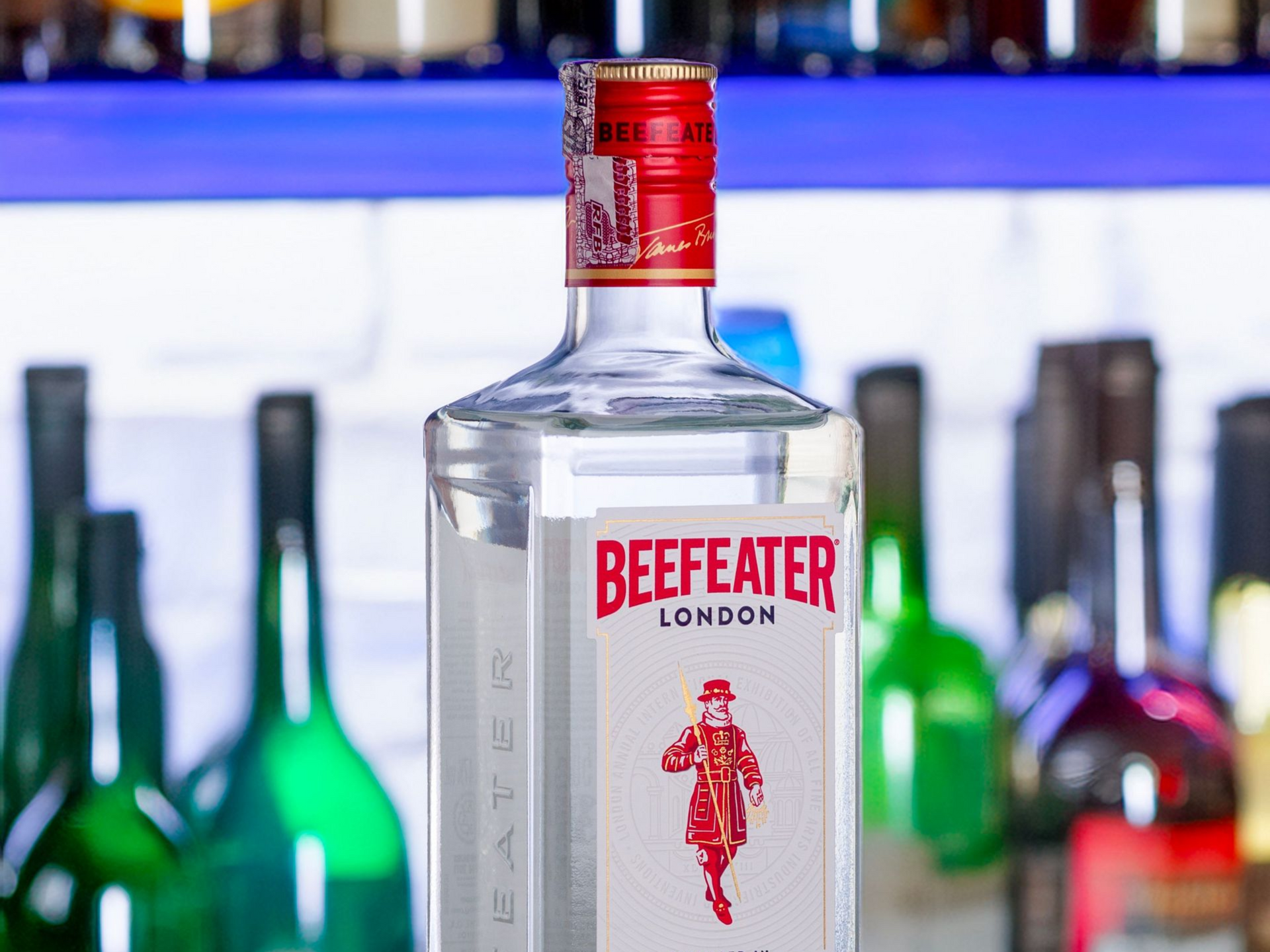
2. Beefeater
A classic London brand founded in 1820 whose recipe remains a secret. Its signature method involves steeping botanicals like citrus peel and juniper for a full day before distillation, resulting in robust juniper and citrus aromas. Excellent value for making a Gin & Tonic or Negroni.
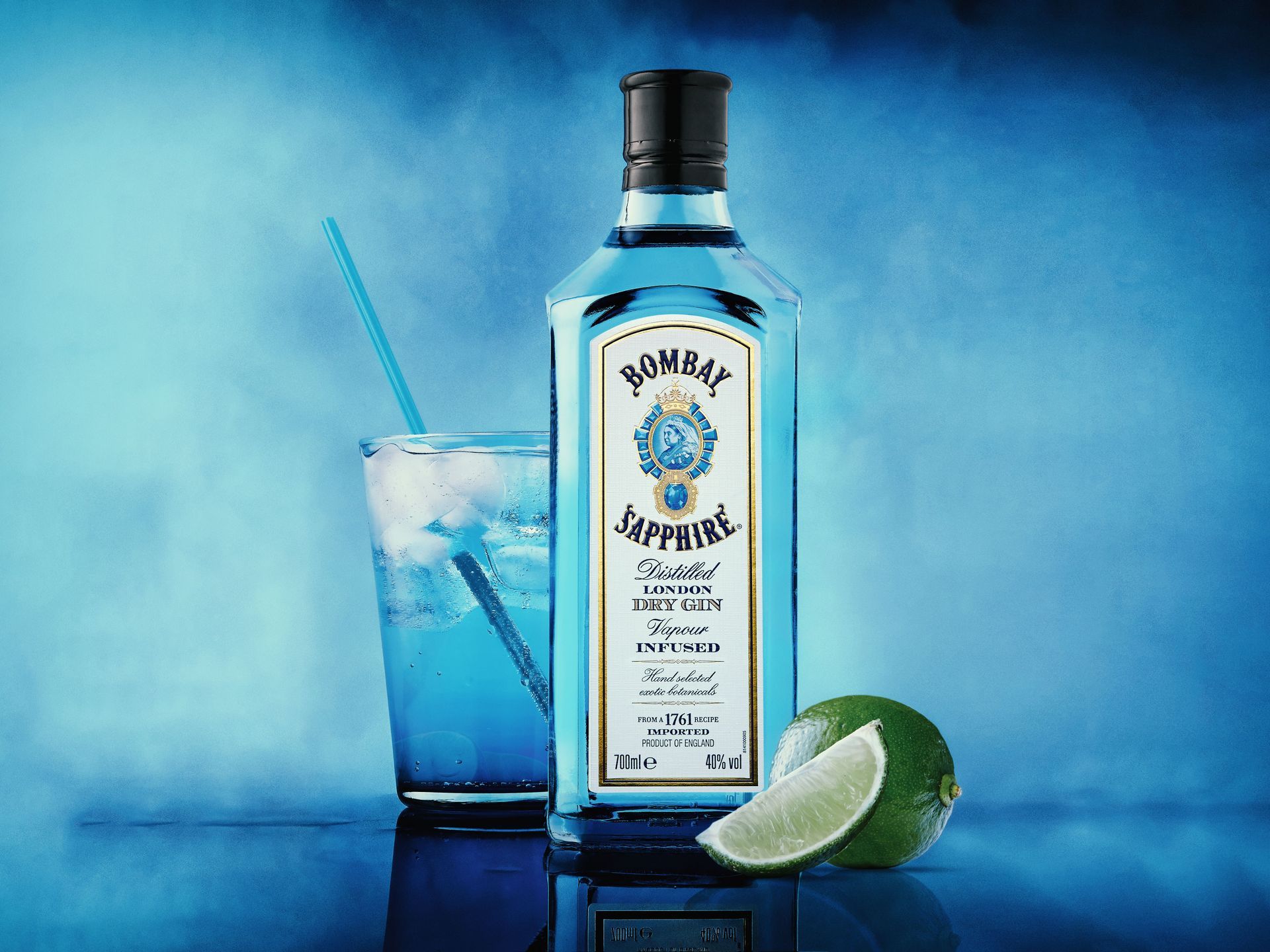
3. Bombay Sapphire
Recognizable by its iconic blue bottle. Uses "Vapor Infusion," passing alcohol vapor through a basket holding botanicals to extract delicate, bright aromas. As a London Dry style, it tastes lighter and more elegant than the previous two, making it great for beginners who prefer a softer profile.
4.
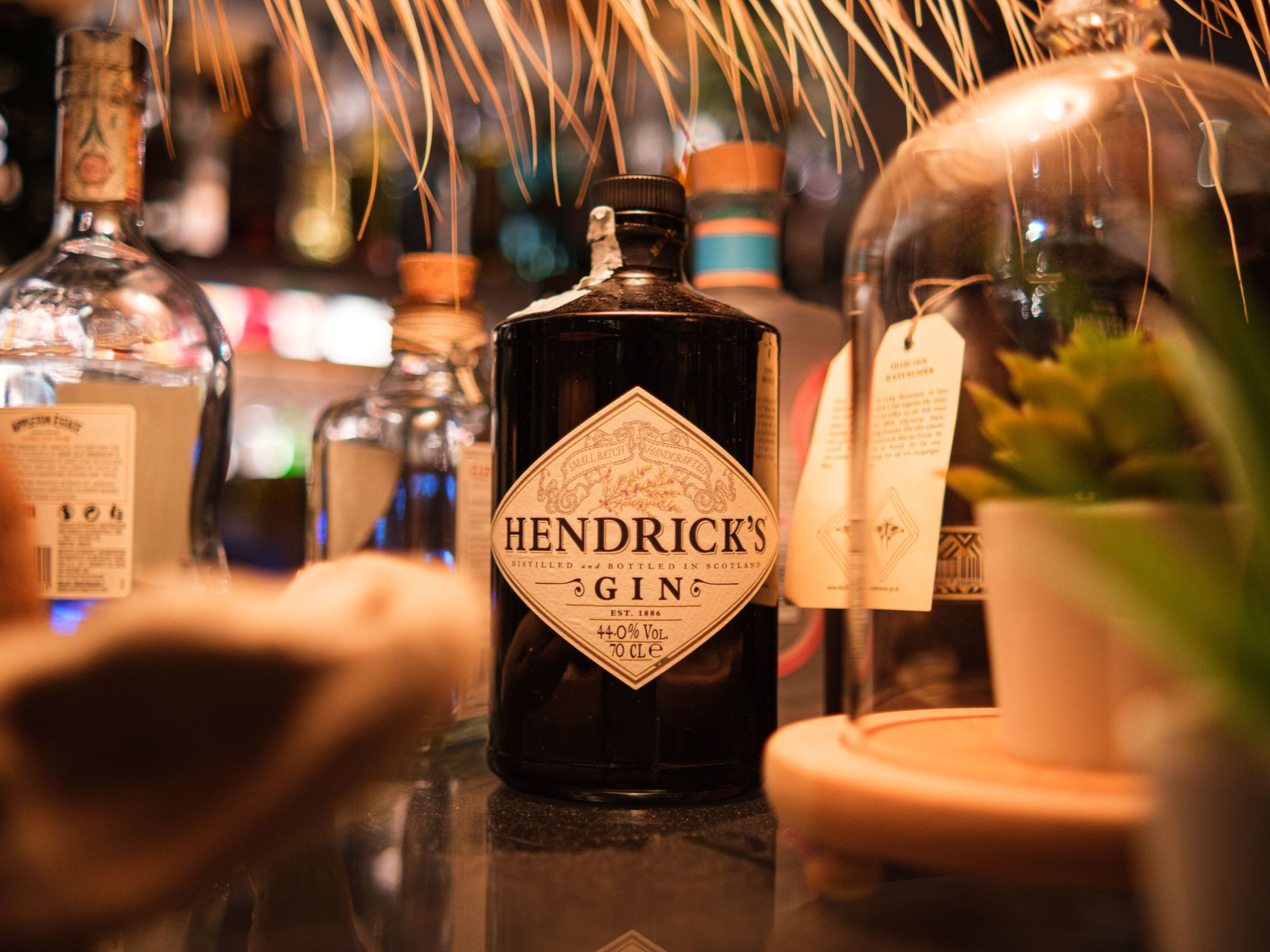
Hendrick's Gin
A pioneer of contemporary gin, achieving high recognition through rose and cucumber infusions. Serving a Gin & Tonic with a slice of cucumber is its signature style. Annual limited releases (Neptunia, Luna, Amazonia) are collector favorites.
5.
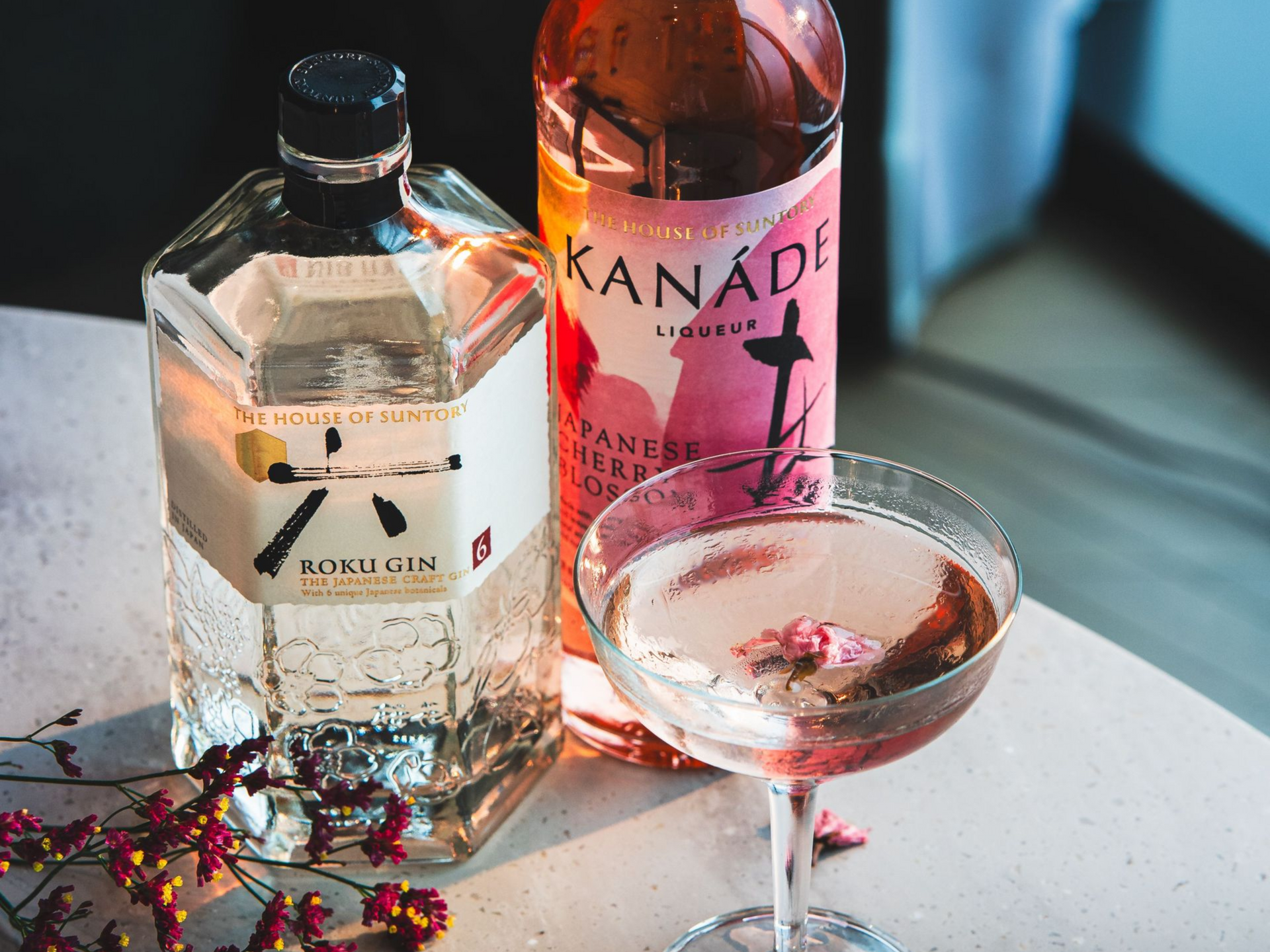
Suntory Roku Gin
A Japanese craft gin from Suntory. "Roku" (Six) refers to six Japanese botanicals harvested according to the four seasons: sakura blossom and sakura leaf in spring, sencha and gyokuro tea in summer, sansho pepper in autumn, and yuzu in winter. Distilled separately in four different pot stills according to botanical traits before blending—a masterclass in separate distillation. Smooth and clear, with sweet sakura and tea undertones, bright yuzu citrus, and a mild sansho spice finish.
Ingredients
Gin 50ml
Tonic Water 100ml (swap for Ginger Ale to make a Gin Buck)
Fresh Lime Juice 5ml (optional)
Lime wheel or Rosemary (garnish)
Instructions
Fill a highball glass with ice, add gin and tonic water, and stir gently 2–3 times to preserve effervescence.
Refreshing herbal notes and sparkling fizz, with the mild bitterness of tonic stretching the juniper finish long and clean.
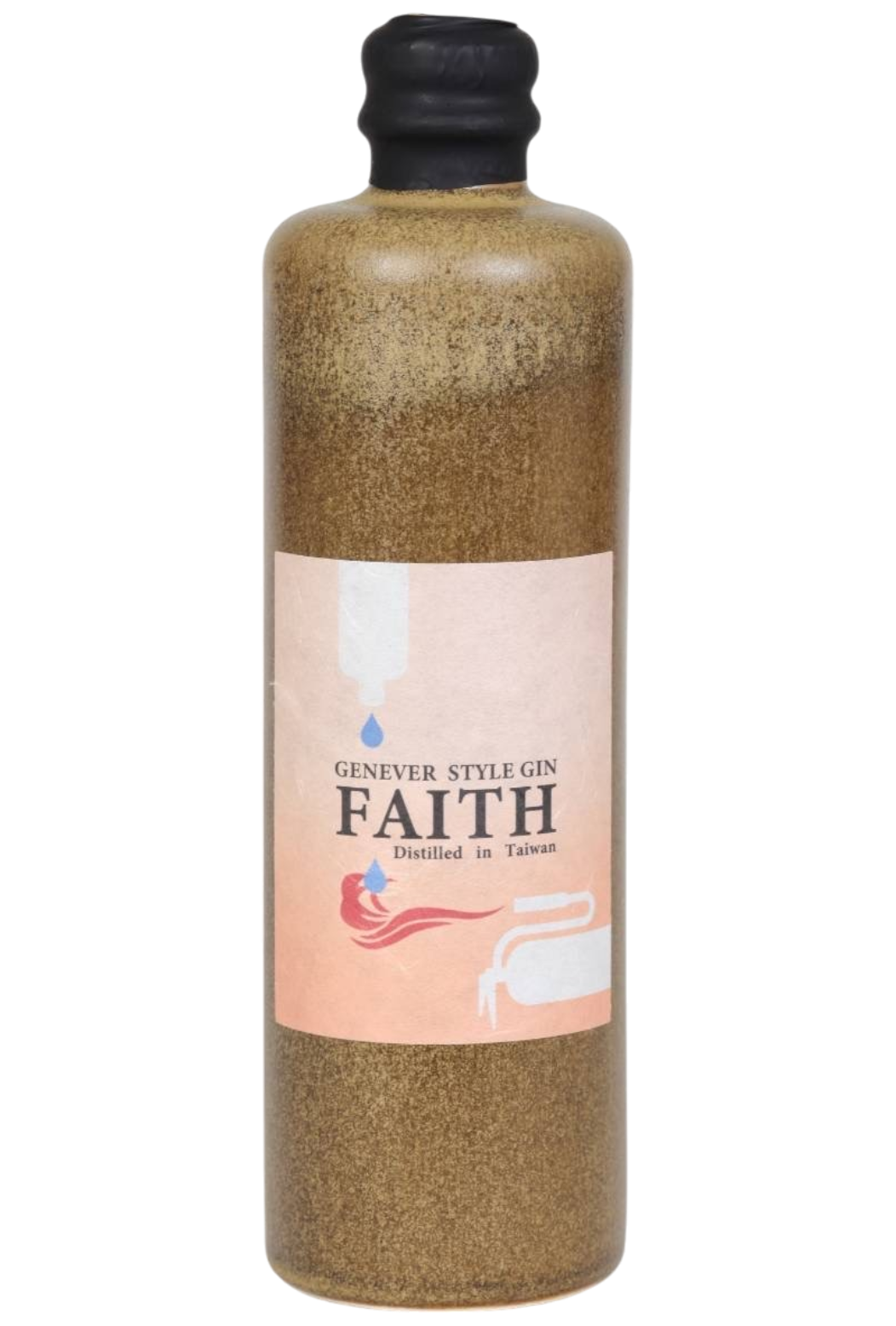
2. FAITH #1 Genever Style Gin | Holy Distillery × Sunmai × Soul & Spirits
- Botanicals: Juniper, sugarcane, cinnamon, licorice, Makauy, prickly ash, ginger, bamboo leaves.
- Base Spirit: Malt wine distilled from Sunmai's herbal tea-flavored beer ("Fire Extinguisher").
- Flavor Profile: Fresh herbal aromas, malty sweetness, subtle woody spices, and distinct multi-layered depth.
- Serving Suggestion: Neat or on the rocks.
Read More
Winning the top honor of "World's Best Genever" at the 2025 World Drinks Awards, "Faith #1" is not only a pinnacle achievement for Taiwanese gin in recent years, but also carries a profound brand story.
In fact, "Faith #1" is an authentic Genever (Dutch gin, the ancestor of modern gin). During the Anglo-Dutch wars in the 16th century, Dutch soldiers drank this spirit before battle to boost their morale, which led the British military to nickname it "Dutch Courage." Holy Distillery's very first release, "Valor," paid tribute to this historic allusion; now, releasing an authentic Genever once again and naming it "Faith" brings this brand journey of roots-seeking full circle.
From inside out, this expression represents the fruit of cross-industry Taiwanese craftsmanship. The base spirit is distilled from herbal tea-flavored beer, accented with local Taiwanese ingredients like Makauy (mountain pepper) and Ailanthus Prickly Ash, and bottled in custom ceramic flasks handcrafted by Yingge pottery workshops. It is fair to say that it is not merely a fine spirit, but a top-tier piece of art worthy of both tasting and collecting.
4.
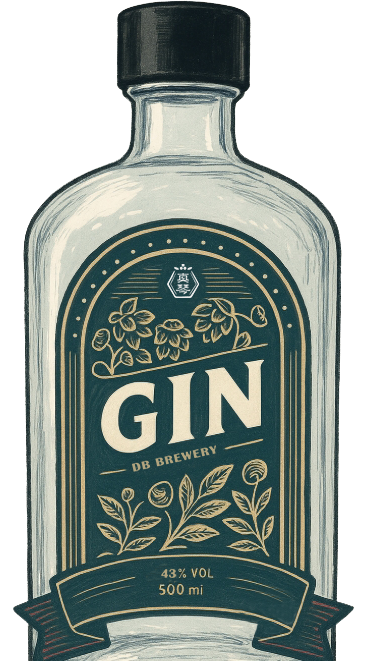
Makoto IPA Gin | Dengba Brewery (Deng's Brewing)
- Botanicals: Citra hops, juniper berries, coriander seeds, angelica root, lemon peel, cinnamon.
- Base Spirit: Grain neutral spirit (individually extracted via hybrid copper stills).
- Flavor Profile: Bright citrus and tropical fruit notes from Citra hops, pine and berry mid-notes, ending with a delicate IPA-style hop bitterness.
- Serving Suggestion: Neat or Highball.
Read More
A crossover creation from "Dengba" a veteran name in Taiwan's craft beer scene, this spirit packages the soul of an IPA into the body of a gin.
Featuring handpicked Citra hops and classic gin botanicals extracted separately, the finished product blends the brightness of grapefruit peel, the depth of pine needle resin, and that familiar touch of hop bitterness in the finish when sip neat. Craft beer lovers will find a sense of nostalgia in this gin—making it one of the finest demonstrations of what "Specialty Taiwanese Gin" stands for.
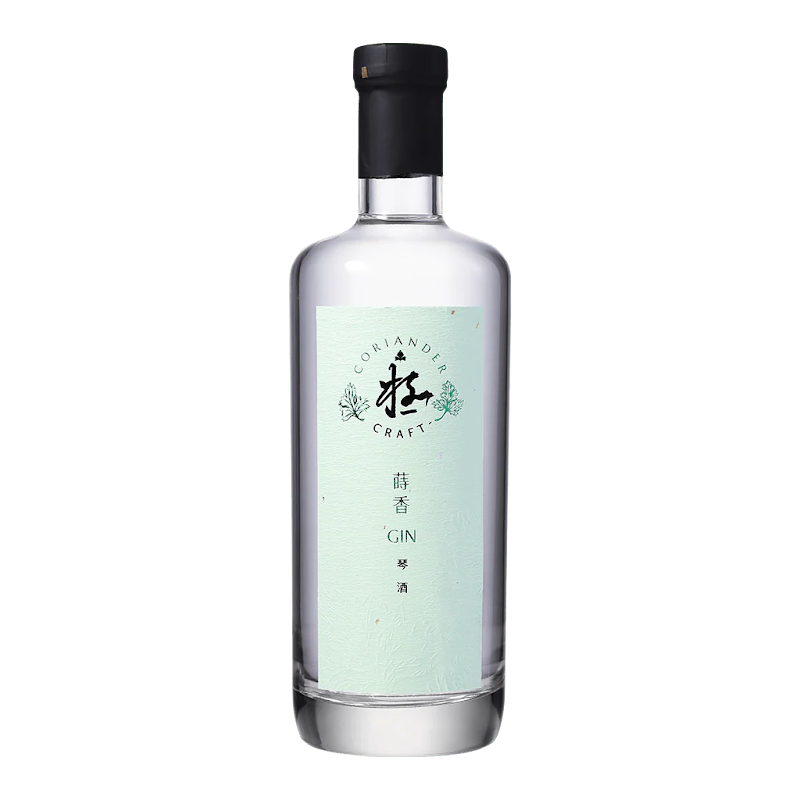
5. Ji CRAFT Cilantro Gin | TTL Longtien Distillery
- Botanicals: Fresh Yunlin cilantro, perilla (shiso), angelica root (Dong Quai), juniper berries.
- Base Spirit: Grain neutral spirit.
- Flavor Profile: Vibrant herbal cilantro aroma with layered Taiwanese botanical accents. Bold character.
- Serving Suggestion: Gin & Tonic, or paired with Taiwanese local food.
Read More
That's right—it's cilantro gin. Story has it that the R&D team at TTL Longtan Distillery was captivated by the rich aroma of cilantro at a local pork intestine vermicelli stall. Inspired on a whim, they selected fresh cilantro from Yunlin that passed rigorous pesticide testing, repeatedly refining the extraction process to capture its vibrant, fresh-green aroma. They then layered in perilla and Angelica sinensis (dang gui) to create a truly Taiwanese herbal complexity.
Cilantro lovers view it as a masterpiece, while cilantro haters steer clear at all costs. Yet, this polarising nature has made it one of the most talked-about Taiwanese gins—it pairs surprisingly well with oyster vermicelli, and as a gift, it guarantees a lasting impression (whether good or bad!).
1. Valor Gin Osmanthus Oolong | Holy Distillery
- Botanicals: Juniper berries, Lugu Dong Ding Oolong tea, Miaoli Tongluo osmanthus, citrus, cinnamon.
- Base Spirit: House-distilled rice spirit.
- Flavor Profile: Juniper woven with tropical citrus, a long finish, and a soft closure of tea and osmanthus notes.
- Serving Suggestion: Neat or Gin & Tonic.
Brand & Brewing Details:
The story of Taiwanese gin cannot be told without Holy Distillery and Valor Gin. Valor Gin is a local craft gin co-developed by Holy Distillery and SOSO, founder of the famous Taiwanese bar Sidebar. It was named "Valor" because gin was historically referred to as "Dutch Courage."
Beyond its name, this gin is crafted with meticulous care: juniper berries are first steeped in rice-based Dong Ding Oolong tea spirit before distillation. Other botanicals like osmanthus, citrus, and cinnamon leaves are locally sourced and distilled separately, achieving a finer balance between delicate osmanthus sweetness and deep tea notes. It serves as the classic starting point for understanding "Taiwanese flavor gin."
The same distillery also offers a Taiwanese Gin Trilogy themed after mountains, oceans, and plains—among which "Ocean," infused with Matsu mussel shells and algae, offers a unique savory maritime flavor perfect for advanced enthusiasts.
2. FAITH #1 Genever Style Gin | Holy Distillery × Sunmai × Soul & Spirits
- Botanicals: Juniper, sugarcane, cinnamon, licorice, Makauy, prickly ash, ginger, bamboo leaves.
- Base Spirit: Malt wine distilled from Sunmai's herbal tea-flavored beer ("Fire Extinguisher").
- Flavor Profile: Fresh herbal aromas, malty sweetness, subtle woody spices, and distinct multi-layered depth.
- Serving Suggestion: Neat or on the rocks.
Brand & Brewing Details:
As the winner of "World's Best Genever Style Gin" at the 2025 World Drinks Awards, "FAITH #1" represents not only the highest honor for Taiwanese gin in recent years but also carries a rich brand narrative.
"FAITH #1" is an authentic Genever (Dutch gin, the precursor to modern gin). During the Anglo-Dutch wars in the 16th century, Dutch soldiers drank Genever before battle for bravery, leading British troops to call it "Dutch Courage." Holy Distillery's first gin, "Valor," paid homage to this history; launching an authentic Genever named "FAITH" gracefully completes this brand journey of honoring roots.
From inside out, this bottle is a masterpiece of Taiwanese cross-industry craftsmanship. The base spirit is distilled from herbal tea-flavored craft beer, flavored with native Makauy and prickly ash, and bottled in a custom ceramic decanter from Yingge ceramic workshops—making it a top-tier piece of art for both tasting and collecting.
3. Nong Gin (Apple & Formosan Red Pine) | Nong Distillery
- Botanicals: Fresh Formosan Red Pine needles, highland lavender, juniper berries.
- Base Spirit: Taiwanese highland apple brandy
- Flavor Profile: Fresh woody opening, distinct pine essential oil notes, blended with apple fruitiness and a light floral finish.
- Serving Suggestion: Gin & Tonic.
Brand & Brewing Details:
Nong Gin was born from a collaboration between Nong Distillery and the Taichung Branch of the Forestry and Nature Conservation Agency to promote domestic timber resources. Formosan Red Pine is widely distributed in mountain areas at altitudes of 750–3,000 meters. Its fresh needles carry a soothing essential oil aroma that, paired with an apple brandy base, delivers a sip of pure Taiwanese mountain air.
Nong Distillery’s master distiller trained in sake brewing in Japan. Their early works mostly used rice spirit bases and won international awards, making them one of the most exciting emerging distilleries to watch in Taiwan.
4. Makoto IPA Gin | Dengba Brewery (Deng's Brewing)
- Botanicals: Citra hops, juniper berries, coriander seeds, angelica root, lemon peel, cinnamon.
- Base Spirit: Grain neutral spirit (individually extracted via hybrid copper stills).
- Flavor Profile: Bright citrus and tropical fruit notes from Citra hops, pine and berry mid-notes, ending with a delicate IPA-style hop bitterness.
- Serving Suggestion: Neat or Highball.
Brand & Brewing Details:
A crossover creation from "Dengba Brewery," a veteran name in Taiwan’s craft beer scene, bottling the soul of an IPA inside a gin body.
Selected Citra hops and classic gin botanicals are extracted separately, resulting in bright grapefruit peel notes, deep pine resin, and that familiar hint of hop bitterness on the finish when enjoyed neat. Craft beer lovers will find a sense of nostalgia in this bottle—one of the best examples of what "Taiwanese craft gin" can achieve.
5. Ji CRAFT Cilantro Gin | TTL Longtien Distillery
- Botanicals: Fresh Yunlin cilantro, perilla (shiso), angelica root (Dong Quai), juniper berries.
- Base Spirit: Grain neutral spirit.
- Flavor Profile: Vibrant herbal cilantro aroma with layered Taiwanese botanical accents. Bold character.
- Serving Suggestion: Gin & Tonic, or paired with Taiwanese street food.
Brand & Brewing Details:
Yes, cilantro gin. The R&D team at TTL Longtien Distillery was reportedly inspired by the rich aroma of fresh cilantro at local street food stalls selling intestine vermicelli. They selected pesticide-inspected fresh cilantro from Yunlin, repeatedly testing to extract its greenest aroma, and layered it with perilla and Dong Quai for a local Taiwanese herbal complexity.
Cilantro lovers view it as a holy grail while haters stay far away, making it one of the most talked-about Taiwanese gins. It pairs surprisingly harmoniously with oyster vermicelli and makes an unforgettable gift.
| Gin Selection | Flavor Profile | ABV | Best For |
|---|---|---|---|
| Valor Gin Osmanthus Oolong | Floral & Tea-Infused | 45% | Beginners exploring Taiwanese craft spirits |
| Faith Genever Style Gin | Malty & Herbal (Genever) | 46% | Collectors & award-winning spirit seekers |
| Nong Gin (Apple & Formosan Red Pine) | Woody & Fruity | 43% | Lovers of crisp, woodland aromas |
| Makoto IPA Gin | Hoppy Citrus | 43% | Craft beer enthusiasts |
| Ji CRAFT Cilantro Gin | Bold Cilantro Herbal | 57% | Cilantro lovers & unique gift seekers |
Some product imagery on this page is sourced from the official websites of featured brands, including Young Cheers Distillery, Dad Deng Brewing, and My9. All copyrights and trademarks belong to their respective owners.
5 International Classic Gin Recommendations
Once you’ve tasted Taiwan’s distinct local flavors, it’s time to revisit the global classics that started it all.
The following brands consistently top the lists of world-class bar favorites and serve as the go-to base for countless cocktails. Best of all, they are widely available at local supermarkets and liquor stores alike.
1. Tanqueray
After gin spread from Holland to the UK, improved distillation techniques produced "London Dry Gin," which requires no added sugar and offers a clean, dry taste. Tanqueray is a textbook example and a long-time sales champion in top global bars. Its sharp, crisp juniper profile makes it versatile for cocktails. For brighter citrus notes, opt for Tanqueray No. TEN made with fresh citrus fruits.
2. Beefeater
A classic London brand founded in 1820 whose recipe remains a secret. Its signature method involves steeping botanicals like citrus peel and juniper for a full day before distillation, resulting in robust juniper and citrus aromas. Excellent value for making a Gin & Tonic or Negroni.
3. Bombay Sapphire
Recognizable by its iconic blue bottle. Uses "Vapor Infusion," passing alcohol vapor through a basket holding botanicals to extract delicate, bright aromas. As a London Dry style, it tastes lighter and more elegant than the previous two, making it great for beginners who prefer a softer profile.
4. Hendrick's Gin
A pioneer of contemporary gin, achieving high recognition through rose and cucumber infusions. Serving a Gin & Tonic with a slice of cucumber is its signature style. Annual limited releases (Neptunia, Luna, Amazonia) are collector favorites.
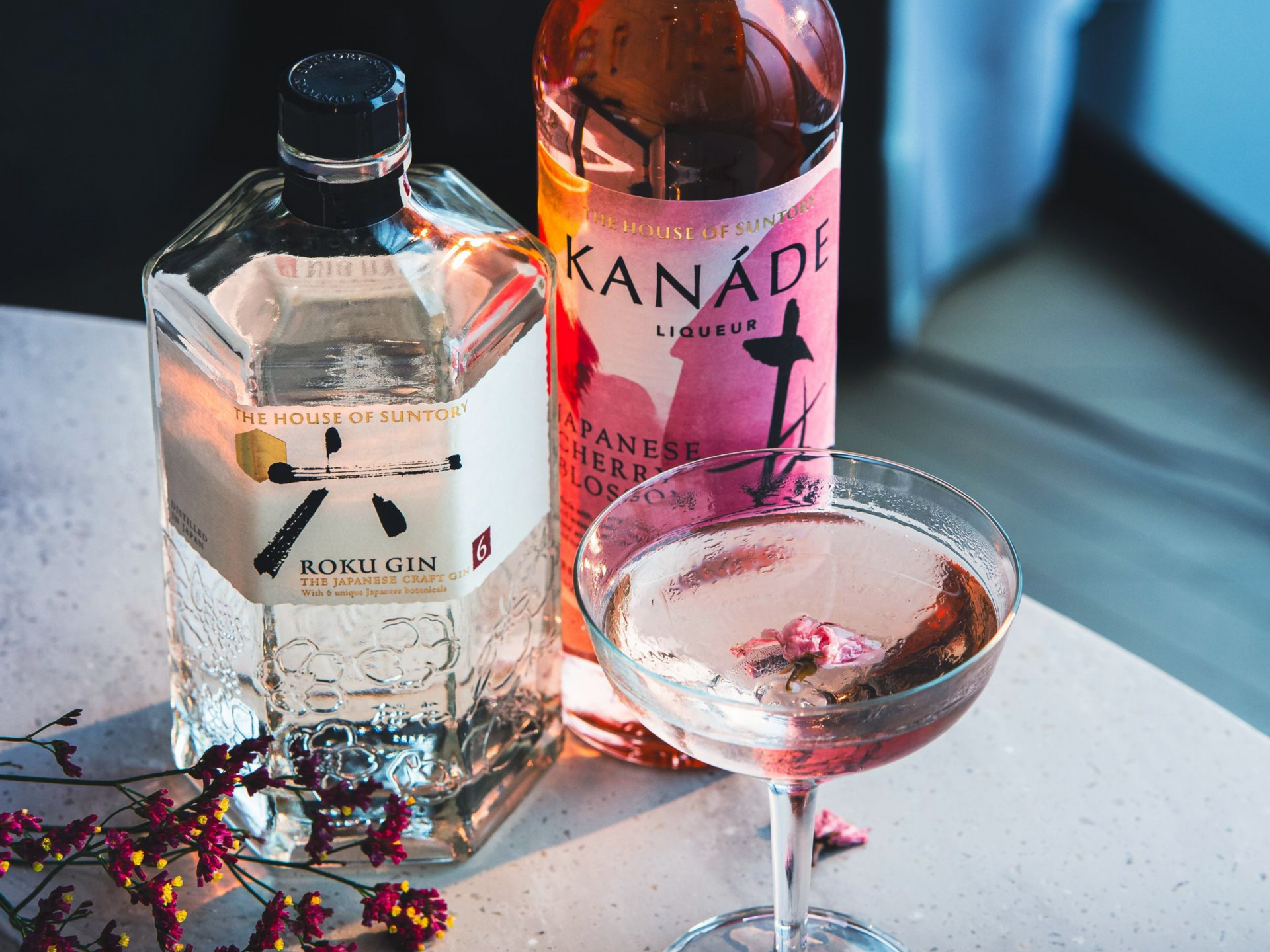
5. Suntory Roku Gin
A Japanese craft gin from Suntory. "Roku" (Six) refers to six Japanese botanicals harvested according to the four seasons: sakura blossom and sakura leaf in spring, sencha and gyokuro tea in summer, sansho pepper in autumn, and yuzu in winter. Distilled separately in four different pot stills according to botanical traits before blending—a masterclass in separate distillation. Smooth and clear, with sweet sakura and tea undertones, bright yuzu citrus, and a mild sansho spice finish.
7 Classic Gin Cocktail Recipes
Bought a bottle of gin and don't know what to make? These 7 classic gin cocktails go from light-and-easy to dark-and-spirited. They’re effortless to whip up at home—and guaranteed crowd-pleasers when you’re out at a bar.
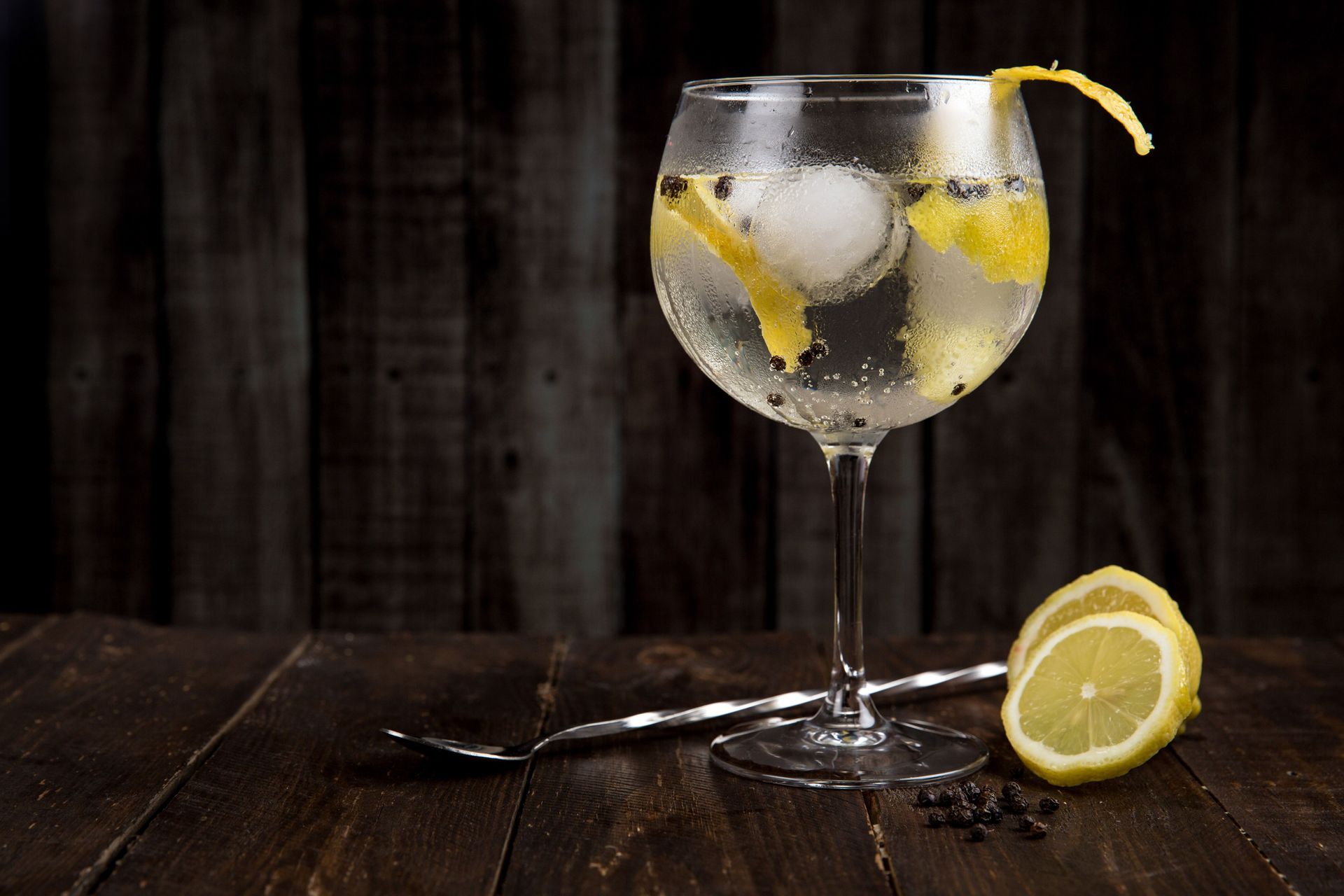
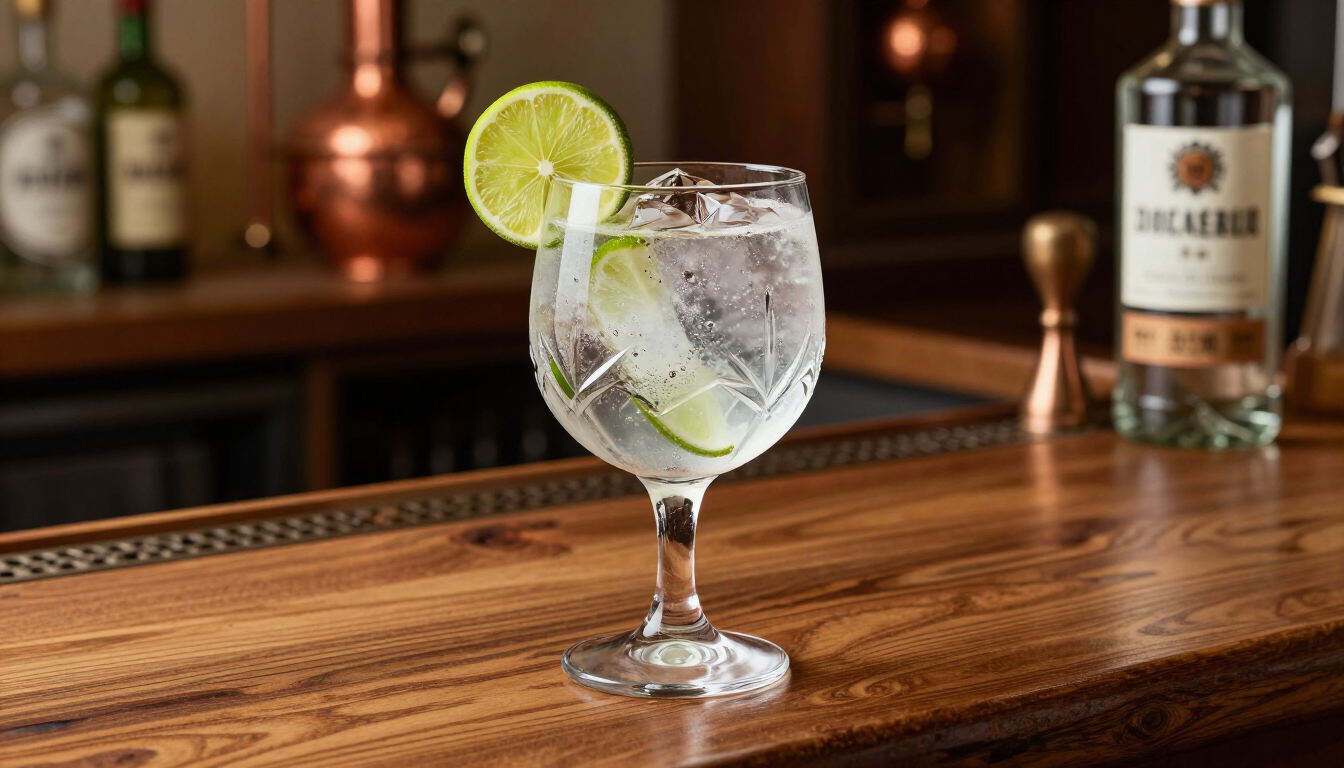
1. Gin & Tonic | The Ultimate Crowd-Pleaser & Classic Gateway
The iconic Gin & Tonic traces its roots back to the British colonial era. To wash down the intensely bitter, anti-malarial quinine water, British troops in India splashed in a bit of gin and lime—accidentally striking a classic combination that has lasted over two centuries. Fast forward to today: with hundreds, if not thousands, of twists on the G&T worldwide, you can easily mix one up tailored to your own taste.
Ingredients
Gin 50ml
Tonic Water 100ml (swap for Ginger Ale to make a Gin Buck)
Fresh Lime Juice 5ml (optional)
Lime wheel or Rosemary (garnish)
Instructions
Fill a highball glass with ice, add gin and tonic water, and stir gently 2–3 times to preserve effervescence.
Refreshing herbal notes and sparkling fizz, with the mild bitterness of tonic stretching the juniper finish long and clean.
2. Martini / Vesper | The King of Cocktails
Hailed as "The King of Cocktails," the classic Martini requires just two ingredients—gin and dry vermouth—making it the ultimate test of a bartender's skill. Its most legendary variation, the Vesper, originated as an impromptu order by James Bond in Casino Royale. Bond specified adding vodka and Lillet Blanc, insisted on "shaken, not stirred," and ultimately named the drink after the leading lady, Vesper Lynd.
Ingredients
Gin 45ml
Vodka 15ml
Lillet Blanc 15ml
Lemon peel (for garnish)
Instructions
Classic Martini: Stir gin and dry vermouth at a ratio between 3:1 and 6:1 with ice.
Vesper: Shake all three ingredients with ice in a cocktail shaker, fine strain into a chilled martini glass, and express lemon peel oils over the drink.
Bold, crisp, and spirit-forward. Its razor-sharp chill is the true magic of this cocktail—perfect for those who want to experience the pure, unadulterated essence of gin.
3. Gin Fizz | A Refreshing Fizz That Tests a Bartender’s Craft
"If you want to test a bartender’s skill, order a Gin Fizz." This iconic line from the manga Bartender introduced countless people to the world of cocktails. It holds true because this drink seamlessly incorporates almost every foundational technique—shaking, balance, and carbonation control.
Its close cousin, the
Tom Collins, follows a virtually identical recipe but traditionally swaps the gin for a sweeter Old Tom Gin.
Ingredients
Gin 45ml
Fresh Lemon Juice 15ml
Simple Syrup 10ml
Soda Water (to top)
Instructions
Shake gin, lemon juice, and simple syrup with ice in a cocktail shaker. Strain into a glass, then slowly top with soda water.
Crisp and effervescent with a sweet-and-sour edge layered over botanical notes. Light and refreshing on the palate, it makes the ultimate opener for your night at the bar.
4. Negroni | An Italian Classic of Bittersweet Balance
Legend has it that in 1919, Count Camillo Negroni thought the classic Americano cocktail wasn't strong enough and asked the bartender to swap the soda water for gin. Thus, this century-old classic was born.
It remains one of the most frequently ordered cocktails at bars worldwide. Because the supporting ingredients carry such intense bittersweet flavors, a Negroni is often the ultimate litmus test for whether a gin’s personality is punchy enough and its foundation deep enough to cut through.
Ingredients
Gin 30ml
Campari 30ml
Sweet Vermouth 30ml
Orange peel (for garnish)
Instructions
Combine all three ingredients equal parts (1:1:1) in an Old Fashioned glass filled with large ice cubes. Stir well, then express orange peel oils over the drink.
Opens with a pleasant bitterness that resolves into a lingering sweetness. Layers of botanical herbs, bright citrus, and rich sweet vermouth unfurl gracefully—the quintessential drink for sophisticated palates.
5. White Lady | An Elegant Member of the Orange Liqueur Trio
Alongside the Sidecar and Margarita, the White Lady stands as one of the holy trinity of classic orange liqueur cocktails. Named for its soft, milky-white appearance, this iconic drink was born in 1920s London and became the pinnacle of chic during the Jazz Age.
Ingredients
Gin 40ml
Orange Liqueur (Cointreau or Triple Sec) 30ml
Fresh Lemon Juice 20ml
1 Egg White (optional)
Instructions
Shake all ingredients vigorously with ice in a cocktail shaker, then fine strain into a chilled coupe glass. If using egg white, perform a dry shake (without ice) first to froth the egg white into a rich, silky foam.
Bright orange aromas intertwine with crisp lemon acidity for a silky, sophisticated taste. Add a barspoon of grenadine, and it gracefully transforms into a Pink Lady.
6. Bee's Knees | Sweet Disguise from Prohibition
"The Bee's Knees" was 1920s American slang meaning "the best of the best." During the Prohibition era, bootleg bathtub gin was notoriously harsh. Bartenders used honey and lemon juice to mask off-flavors—inadvertently birthing a classic honey-driven cocktail that remains beloved today.
Ingredients
Gin 50ml
Honey Syrup 15ml
Fresh Lemon Juice 15ml
Fresh Orange Juice 15ml
Instructions
Combine all ingredients in a cocktail shaker filled with ice and shake vigorously. (Tip: Pre-mix honey with a small splash of gin or warm water to create a honey syrup so it integrates smoothly). Strain into a chilled martini glass and garnish with an orange twist.
Rich, velvety honey wraps around bright citrus acidity for an incredibly crushable drink. It pairs exceptionally well with floral and fruity craft gins—try substituting a Taiwanese Osmanthus Oolong Gin for an unexpectedly harmonious twist.
7. Singapore Sling A Gorgeous Long Drink with Tropical Charm
Created at the iconic Raffles Hotel in Singapore, the original recipe has long been lost to history—today’s version was recreated from the memory of veteran bartenders. The term "Sling" originates from an early American style of drinking, referring to a mixture of spirits, ice, lemon, and soda water.
Ingredients
Gin 45ml
Cherry Liqueur (Cherry Heering) 15ml
Pineapple Juice 60ml
Fresh Lime Juice 15ml
Soda Water (to top)
(Note: A full classic specs list also includes Bénédictine, Cointreau, Grenadine, and Angostura Bitters—feel free to adjust based on what you have on hand).
Instructions
Combine all ingredients except the soda water in a shaker filled with ice and shake vigorously. Strain into a Sling or highball glass, top with cold soda water, and finish with a extravagant tropical garnish.
Fragrant gin pairs with the luscious tropical sweetness of pineapple for a vibrant, crowd-pleasing drink with show-stopping color. It’s easily the most Instagrammable cocktail at any party.
Frequently Asked Questions (FAQ)
Q1 :Which gin should beginners start with?
We recommend starting with a balanced London Dry Gin featuring juniper and citrus notes, such as Tanqueray or Beefeater. They are budget-friendly, highly versatile in cocktails, and help establish a baseline for classic gin flavor.
If you prefer something more memorable right out of the gate, go for Hendrick’s with its floral and fruity notes, or dive straight into local Taiwanese flavors—Valor Gin Osmanthus Oolong, anchored by osmanthus and Oolong tea, serves as the perfect gateway to Taiwanese craft gin.
Q2:What are the most common ways to mix gin?
The simplest option is a classic Gin & Tonic, mixed with gin and tonic water at a 1:2 to 1:3 ratio.
If you prefer something spirit-forward and strong, go for a Martini; for a balance of bittersweet flavor, opt for a Negroni; and if you’re craving a refreshing, sweet-and-sour profile, a Gin Fizz or Bee’s Knees is the way to go. Section 6 of this article includes full recipes and ingredients for 7 classic gin cocktails.
Q3:Which Taiwanese gin brands are recommended?
Taiwan’s most iconic gin producers include Holy Distillery in Yingge (maker of Valor Gin), Nong Distillery, known for its pine needle and fruity profiles, Dengba Brewery, which brings a craft beer crossover with its Makoto IPA Gin, TTL’s Longtien Distillery, and King Car’s Kavalan Gin.
Q4:What is the average price range for gin?
- International Classics (Tanqueray, Beefeater, Bombay Sapphire): Around NT$600–1,200—the go-to staples for everyday mixing and beginners.
- Japanese & Contemporary Gins (Roku, Hendrick's): Around NT$1,000–1,500.
- Taiwanese Craft Gins: Due to small-batch distillation and premium local botanicals, prices typically range from NT$900–2,000, with limited-edition collaborations or custom ceramic bottle releases fetching higher price tags.
(Note: Actual retail prices may vary by retailer and batch.)
Q5:What unique features do Taiwanese craft gins offer?
The biggest selling point of Taiwanese craft gin lies in its locally sourced botanicals:
- Tea-Infused: Valor Gin Osmanthus Oolong, featuring an osmanthus and Oolong tea-forward profile.
- Bold & Adventurous Herbal: Ji CRAFT Cilantro Gin, made with fresh cilantro from Yunlin.
- Hop-Forward: Makoto IPA Gin, delivering a craft beer-inspired hop aroma.
- Woodland & Forest: Nong Gin (Apple & Formosan Red Pine), showcasing fresh Formosan red pine needles.
- For Savory & Adventurous Drinkers: Valor Gin Ocean Spirits, infused with Matsu mussel shells and seaweed for a distinctively salty, umami-rich maritime character.
Q6:Where can I buy Taiwanese gin?
Under Taiwanese regulations, online alcohol sales are strictly prohibited. We recommend purchasing directly from physical specialty liquor stores or distillery shops, or reaching out via the brand's official LINE account to inquire about stock and retail locations.
Certain releases—such as limited-edition collaborations—may only be available at select partner bars, so it’s best to call ahead and confirm availability before making the trip.
👉 Click here to explore retail locations for Valor Gin across Taiwan
Final Thoughts
From osmanthus Oolong tea to cilantro, and from handcrafted Yingge ceramic bottles to top world titles, Taiwanese gin is crafting its own flavor narrative using the island’s unique botanicals.
Whether you’re a beginner looking for your very first bottle or a seasoned enthusiast eager for something novel, there’s a perfect gin on this list for tonight.
Ready to pick up a bottle of unique Taiwanese gin? Visit specialty liquor stores or distillery tasting rooms, or reach out directly through official brand channels for current availability.
最新文章

We got it.
Thank you for contacting us.We’ll get back to you as soon as possible.